    2026 Winter Camp: Register Now

    Class Descriptions

    What kind of circus sounds fun to you?

    You do not need to understand circus terminology before your first class. Pick an activity that looks interesting, then read a little more about what to expect.

    Beginner FriendlyAnything marked Beginner or All Levels is appropriate for a first class.

    Start here

    Choose the experience first

    Explore the activities that interest you, including popular ground options often added to private parties. Click a card and the page jumps to the full description below.

    Use the arrows or swipe to explore aerial and ground activities.

    Planning a private party? The carousel also shows popular add-on activities available for private events.

    Still not sure what to pick?

    For a first visit, choose Flying Trapeze - All Levels or any aerial or ground class marked Beginner or All Levels. The staff will scale the class to your current ability.

    View Schedule & Book
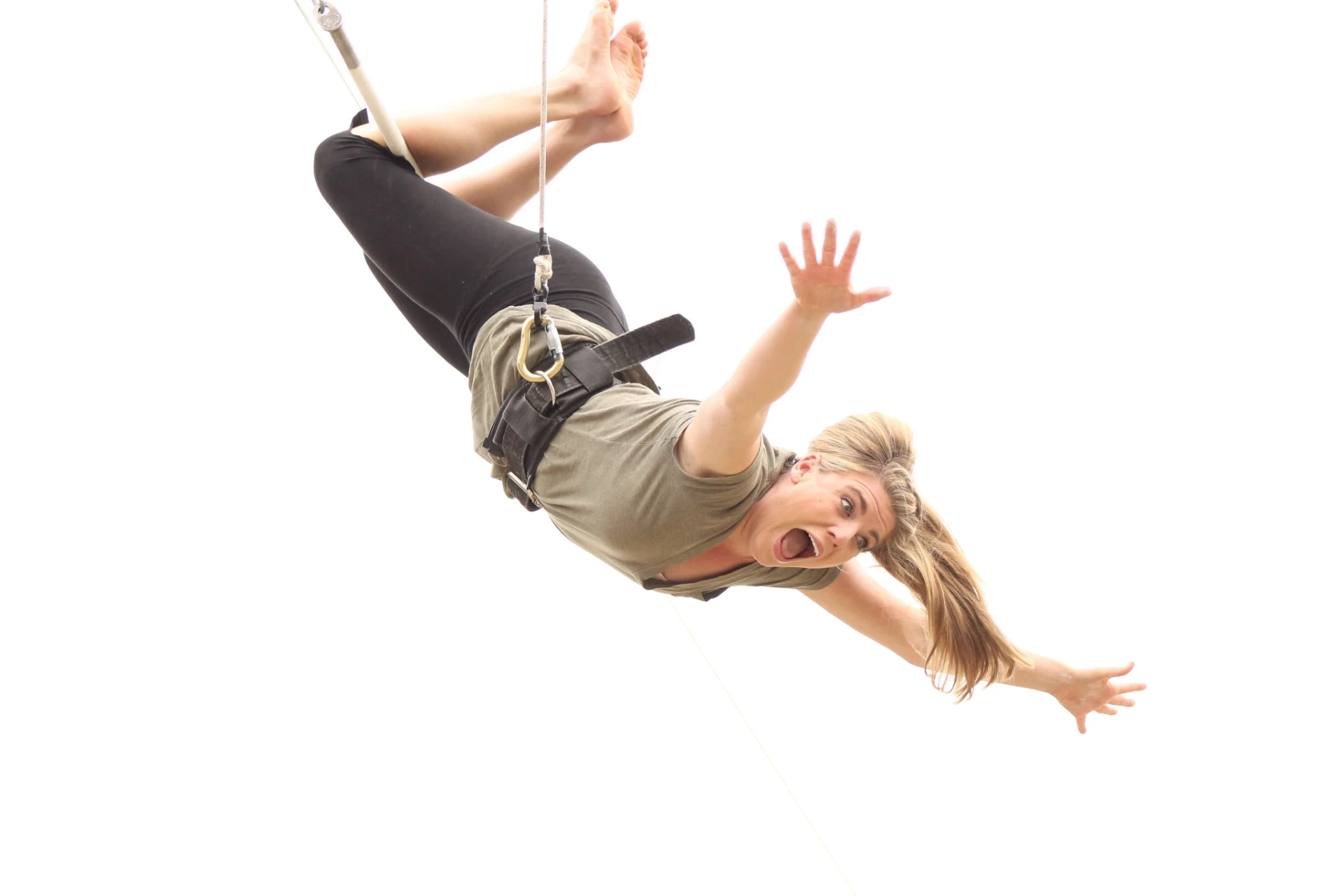
    Student flying over the safety net on the flying trapeze at Dallas Circus Center

    Signature experience

    Flying Trapeze

    DCC's All Levels class mixes first-time flyers with experienced students. First-timers begin with a short ground introduction covering safety and etiquette, then take turns swinging, learning tricks and dropping into the net. The pace is based on each student's ability and comfort level. Toward the end of class, students who are ready may have the opportunity to try a catch.

    Best first class
    Flying Trapeze - All Levels
    Experience
    None required
    Class size
    Maximum 10
    Length
    1 hr with 1-5 booked; 2 hr with 6-10
    All Levels
    Appropriate for a complete beginner. Progress at your own comfort level.
    Intermediate
    For students with 3+ classes who are working on a one-handed takeoff and swing.
    All Levels Express
    The same mixed-ability concept in a 1-hour class capped at 5 flyers.
    Back to class chooser

    Aerial Arts

    See the apparatus before you choose it

    New to aerial? The names can be confusing at first. Here is what silks, hammock and lyra actually are, how they feel different, and where to start.

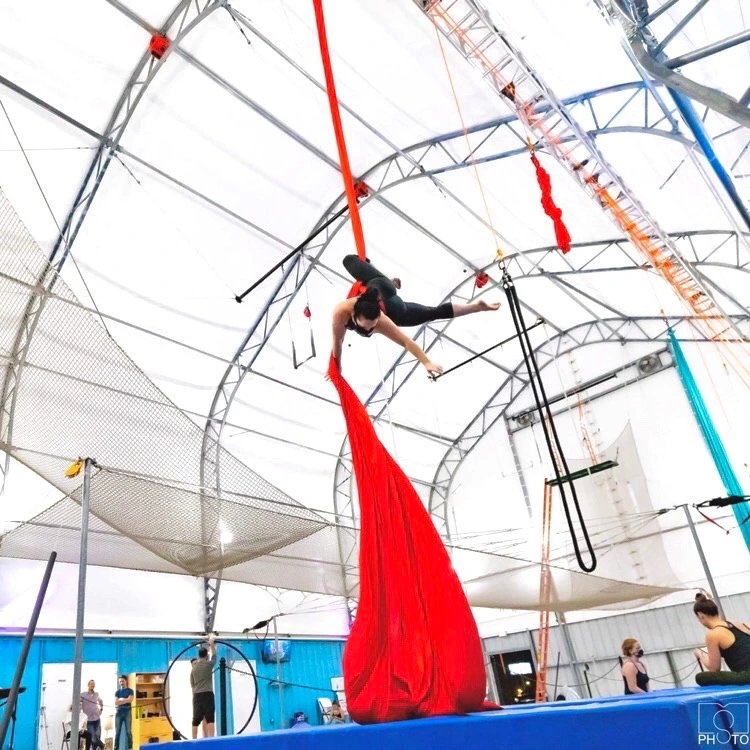
    Aerialist practicing a wrapped pose on two long aerial silks

    Two long fabrics

    Aerial Silks

    Beginner Silks is appropriate whether it is your first aerial class or you already have experience and want to focus on fundamentals. New students start with climbs, foot knots, basic poses and spins. As they progress, they build strength and control for inversions, hip keys and more involved sequences.

    Beginner
    Best starting point for a first-time silks student.
    All Levels
    Open to beginners and experienced aerialists, with an emphasis on choreography and expression.
    Intermediate / Advanced
    Requires comfort inverting in the air and staying aloft for several minutes.
    Advanced
    For students with a strong silks or rope background; works toward larger drops, release moves, act development, strength, and stamina. Multiple straight-legged inversions and a windmill are prerequisites.
    Back to class chooser
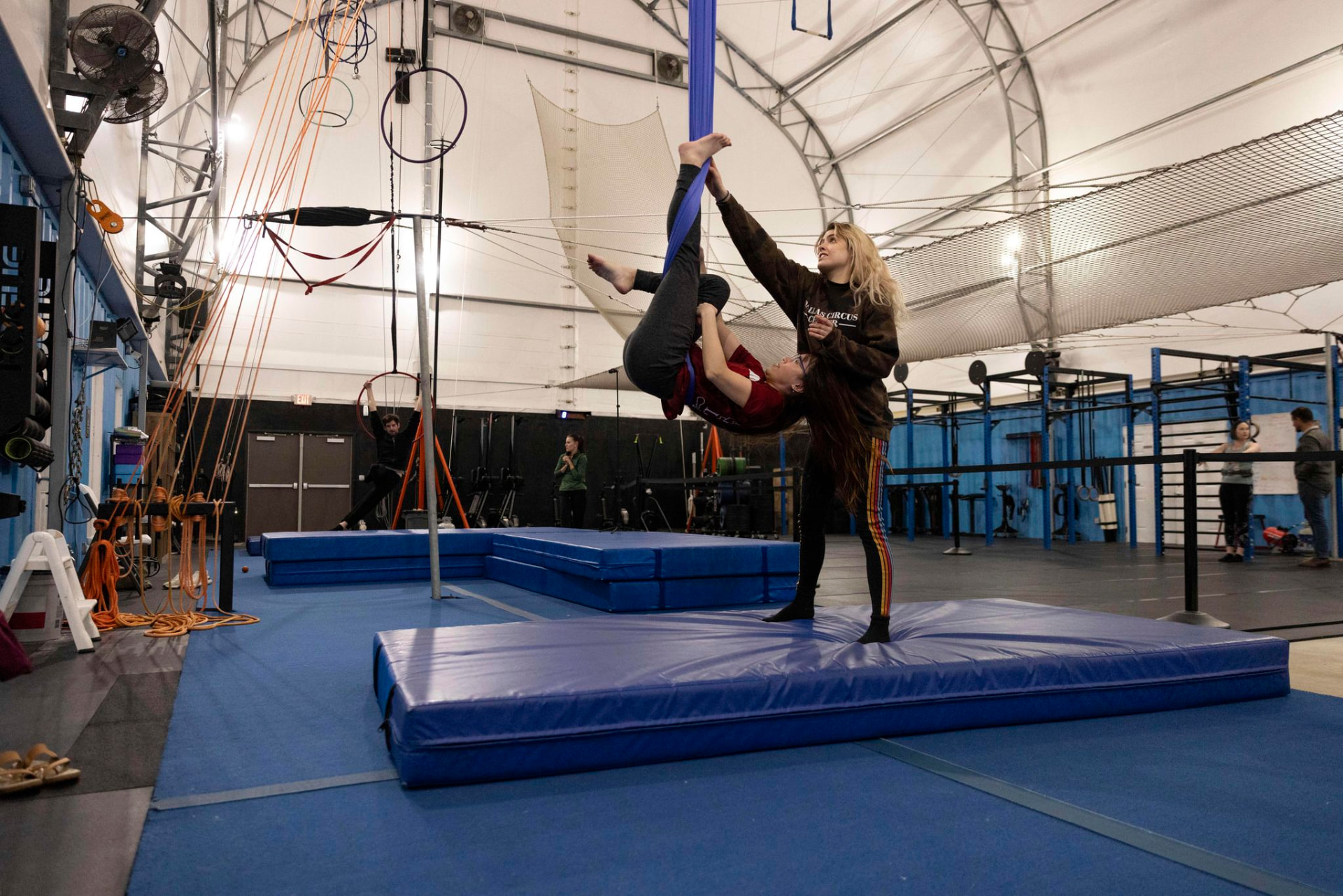
    Coach supporting a student learning a pose on an aerial hammock

    One continuous loop of fabric

    Aerial Hammock

    DCC specifically recommends hammock for people looking for a beginner-friendly apparatus. The looped fabric supports students while they learn poses and gentle drops, and it provides a useful way to build grip and inversion strength before moving toward more difficult aerial skills.

    Beginner
    A strong choice for someone who wants the gentlest aerial introduction.
    Intermediate / Advanced
    Adds higher-level drops, choreography, strength work and flexible movements.
    Back to class chooser
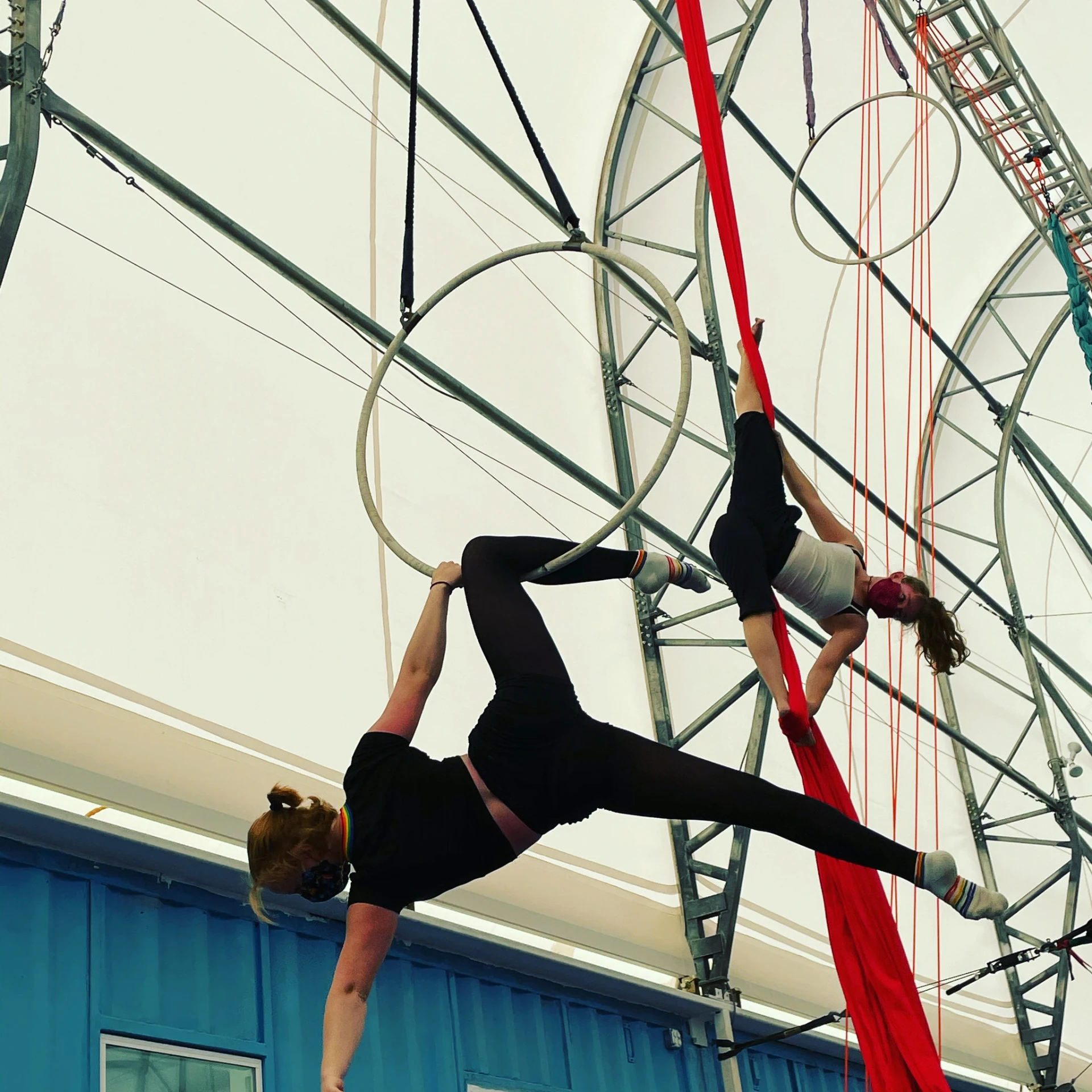
    Aerialists holding poses on suspended metal lyra hoops

    Aerial hoop

    Lyra

    Lyra is the suspended metal hoop. Beginner students learn the basics of getting onto the apparatus, inverting, spinning and putting simple skills together in short sequences. Brand-new students and people returning to circus are both welcome.

    Beginner
    Learn basic inversions, spins and simple sequences.
    All Levels
    Beginner-friendly mixed-level option.
    Intermediate
    Introduces more dynamic work, spinning and higher-level progressions; students must invert comfortably.
    Back to class chooser

    Additional Aerial & Specialty Classes

    More ways to train

    Aerial Yoga and Chinese Pole offer two very different ways to build circus skills, strength and body awareness.

    Aerial Yoga

    Traditional yoga meets aerial hammock. The class uses the hammock to build strength, flexibility, and mind-body connection, and welcomes all experience levels.

    Chinese Pole

    Learn climbs, slides, drops, body position, and alignment on Chinese Pole. Classes also include conditioning that prepares students for more advanced skills.

    Ground & Acrobatic Skills

    Prefer to start closer to the floor?

    These classes build body awareness and acrobatic skills without asking you to choose an aerial apparatus.

    Trampoline

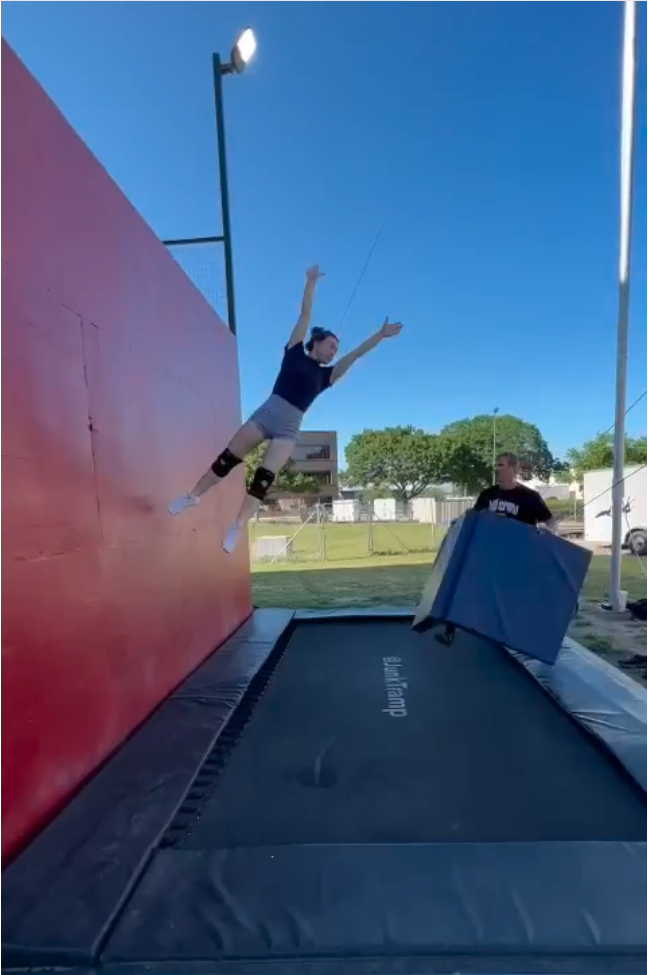
    DCC's trampoline class is mixed ability. Coaches tailor the work to each student's current skill level and goals, whether they are taking their first trampoline class or bringing prior acrobatic experience.

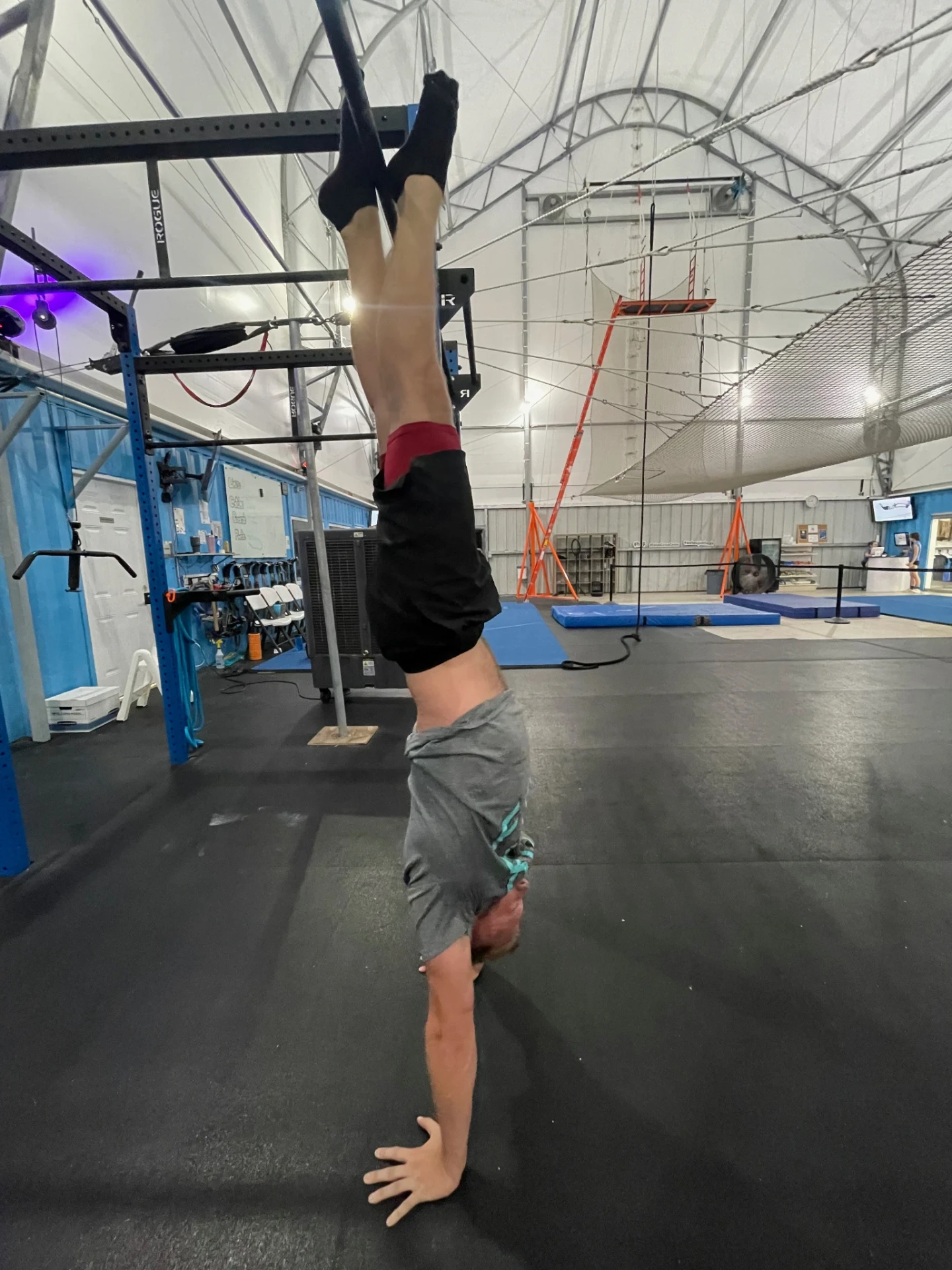
    Handstands

    All levels are welcome. Classes use core engagement, shoulder stability and body-position drills to build a handstand, then progress toward shapes, entrances and flowing.

    Cyr Wheel

    Students learn to spin and roll with a large metal hoop. The class can scale to different experience levels while building proprioception and endurance.

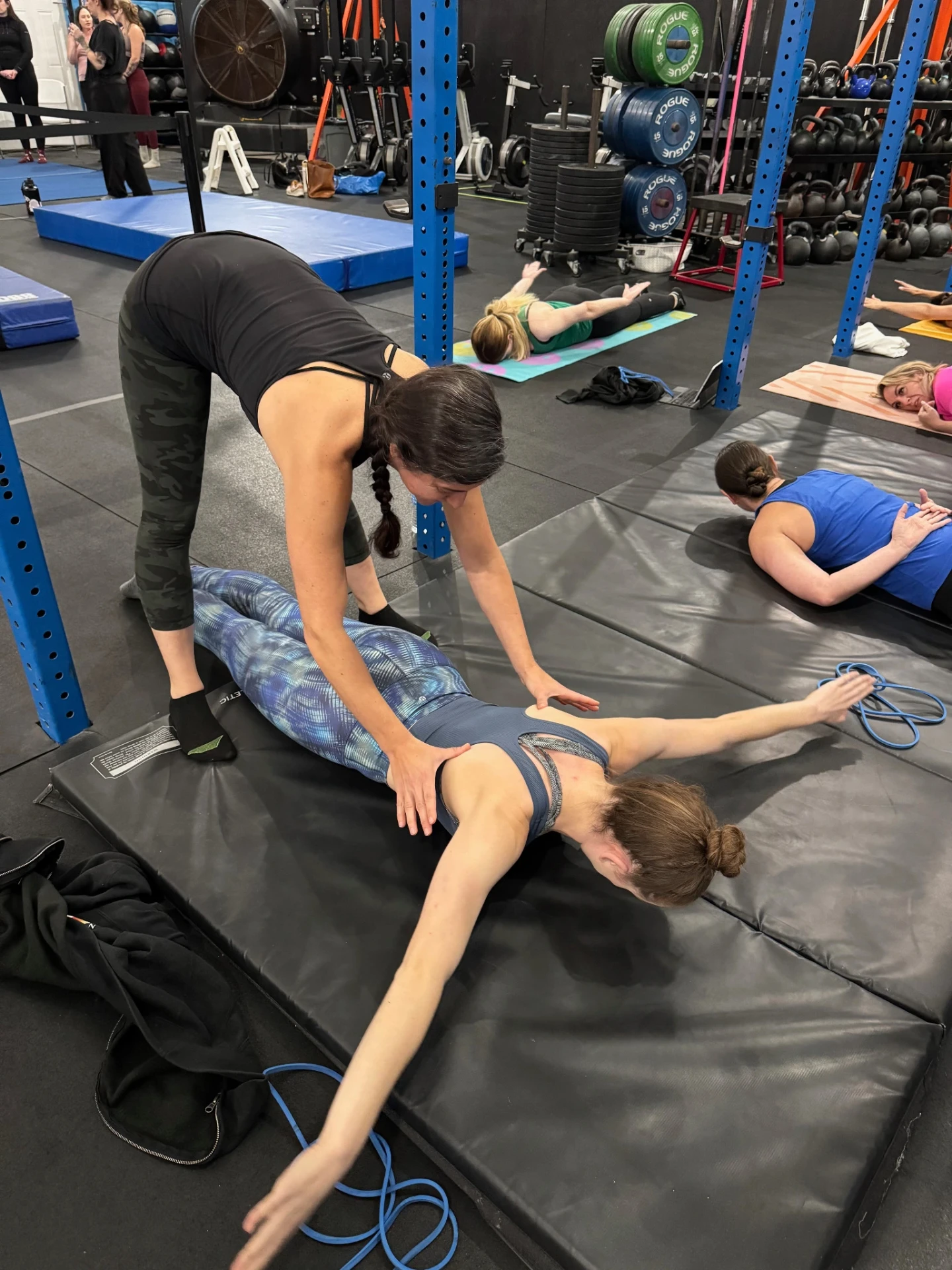
    Flexibility / Conditioning

    Build active flexibility, mobility, body control and strength through coached drills that support aerial skills, acrobatics and injury-resistant movement.

    For returning students

    Already have circus experience?

    Silks - Advanced
    Higher-level drops, release moves, act development and strength and stamina work. Specific prerequisites apply.
    Dance Trapeze - Beginner
    Expects some aerial exposure and covers fundamentals, movement styles and beginner transitions.
    Dance Trapeze - Intermediate
    Needs prior aerial experience and explores pathways, transitions, movement styles, creativity and expression.
    Rope - Beginner & Intermediate
    Both levels cover strength, sequencing, tricks and aerial theory, with Intermediate working on longer and more demanding sequences. Students should be comfortable inverting in the air.
    Straps - Conditioning
    Builds strength for inversions, meathooks, flags, levers and rollups; best for students with prior aerial or strength experience.
    Advanced Open Gym
    Unsupervised practice for students who have already been signed off by a DCC aerial instructor.